
Oviedo · Winter Springs · Casselberry
EV Charger Installation in Seminole County
Florida Chargers installs Level 2 Tesla charging at established condominium associations and garden-style apartment communities in Oviedo, Winter Springs, and Casselberry — designed around electrical service that was sized decades ago.
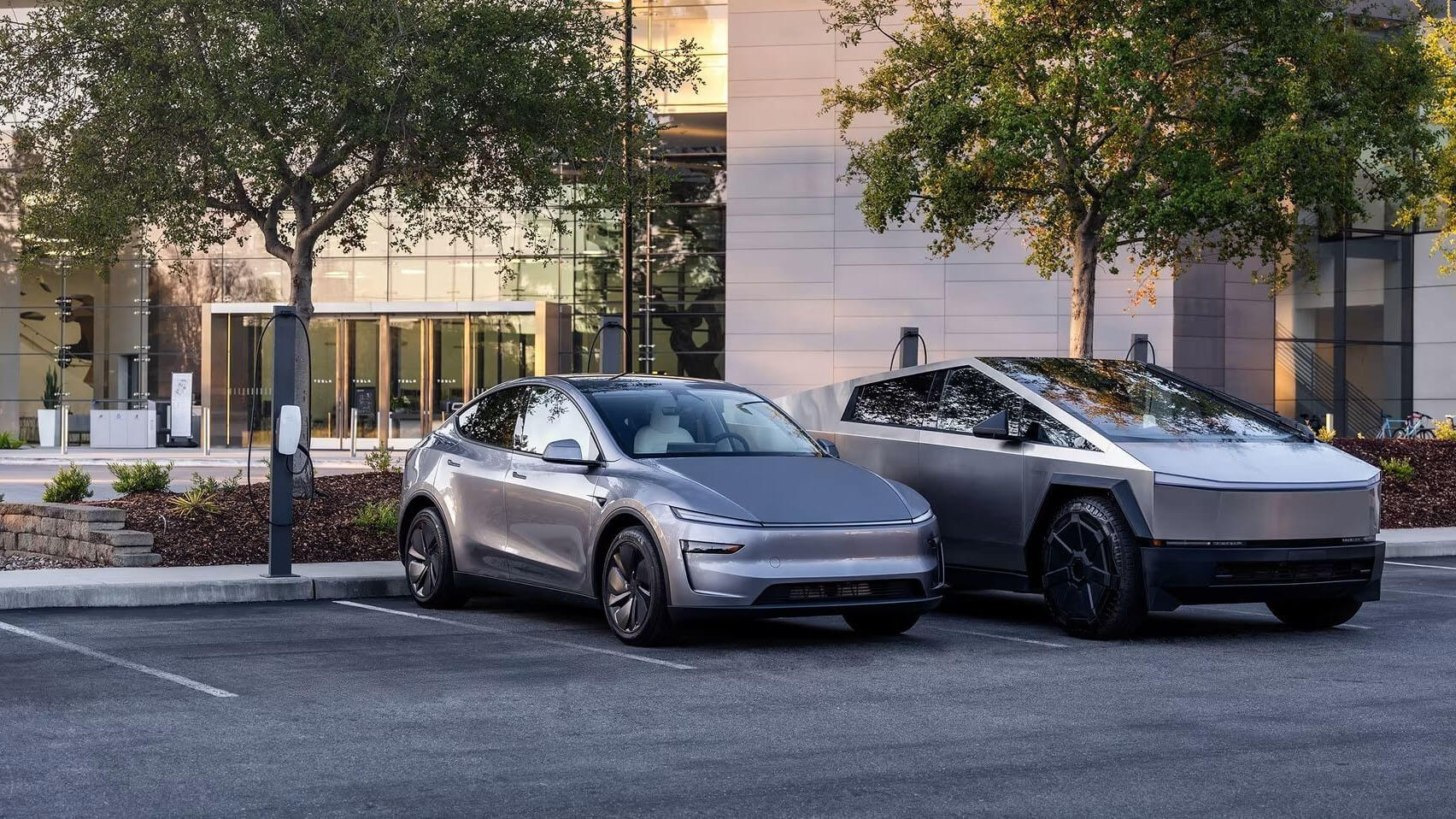
Seminole County's charging projects are electrical projects first. Most of the condominium and garden-apartment stock in Casselberry, Winter Springs, and older Oviedo was built between the late 1970s and the early 2000s, with service sized for the appliance loads of that era. The question is never whether residents want charging. It is how many ports the existing panel will carry.
Florida Chargers is a veteran-owned, Tesla Certified commercial EV charging reseller and installer based in Winter Garden, and it works across Seminole County under FL Certified Electrical Contractor license EC13009718. Florida Chargers designs, installs, manages, and maintains the system, including the metering and billing side that associations do not want to run themselves.
The underlying demand is measurable. Florida has 450,400 registered EVs, second only to California's 1,843,100, out of 5,689,100 nationwide, per U.S. Department of Energy Alternative Fuels Data Center 2025 data.
What Florida Chargers installs in Seminole County
The hardware is the Tesla Universal Wall Connector: a Level 2 unit rated at 48 amps and 11.5 kW, with a NACS connector and a built-in J1772 adapter. It plugs straight into a Tesla and charges every other major EV brand through the adapter that is already attached, so a property is not choosing a charger that serves one brand of car. Load sharing spreads available circuit capacity across multiple ports, which is what keeps a project from turning into a service upgrade.
Florida Chargers designs, installs, manages, and maintains the system, and the chargers are eligible for listing in the Tesla app once commissioned by a Tesla Certified Installer with reliable connectivity (Tesla makes the final listing decision), so nearby drivers can be routed to the property.
On an older Seminole County panel, load sharing is the difference between a viable project and a service upgrade. Four Tesla Universal Wall Connectors sharing a circuit draw far less than four units at full 48-amp output, which is what makes a first phase possible on 1980s service.
A common starting point for multifamily is roughly one Level 2 port per 20 to 30 units, then adding ports as usage data comes in.
Who this is for in Seminole County
Established condominium associations. Casselberry and Winter Springs hold a deep supply of two- and three-story condominium buildings from the 1970s and 1980s, many with assigned surface parking and a single electrical room per building group. These associations are the ones that get a 718.113(8) letter from an owner and have to respond. Fla. Stat. 718.113(8) says a board may not prohibit a unit owner from installing a charger in the owner's limited common element or exclusively designated parking area, subject to the subsection's conditions. Fla. Stat. 718.113(9) says a board installation on the common elements is not a material alteration, so it generally does not require a full membership vote. Chapter 718 governs condominiums and Chapter 720 governs HOAs, so neither reaches an HOA community or a rental property. Many declarations contain their own material-alteration provisions, so confirm with association counsel.
Garden-style apartments. The rental communities along 17-92, Red Bug Lake Road, and Tuskawilla compete directly with newer product in Lake Mary and Altamonte for the same renters. Charging is one of the few amenities an older community can add without a clubhouse renovation. In a 2024 SWTCH Energy survey of 1,567 multifamily residents, 62% said they plan to own or drive an EV within five years when charging is available at their property, against 25% when it is not, and 31% of non-EV owners cited the lack of building charging as a barrier. For a rental property, note that 718.113 does not apply at all — the owner decides, with no statute and no board vote involved.
Oviedo and the UCF-adjacent corridor. Oviedo's newer subdivisions and the research and office space near the university have both the household income and the vehicle mix that produce steady weekday charging. Office and mixed-use sites in this corridor typically have the most electrical headroom in the county, since commercial panels were sized for loads that never fully arrived.
Your utility and what it pays for
Oviedo, Winter Springs, and Casselberry properties are served by Duke Energy Florida.
The Duke Energy Florida Commercial Charger Prep Credit is active. It covers wiring, panel, and conduit work, and it explicitly excludes hardware and permits. For a Seminole County association where the electrical scope is the largest line item, that is the credit that matters most, which is also why any published dollar figure should be confirmed with Duke at proposal time rather than assumed.
Florida SB 1084 (2024) preempted the regulation of EV charging stations to the state; since July 1, 2024, local governments may not enact or enforce their own EV-charging ordinances. The electrical permit itself is still issued locally. That is a good thing for a board or an owner: a property installs charging because the amenity economics work, not because a local ordinance forced the decision.
Permitting and timeline
Electrical permits are issued by the City of Oviedo, the City of Winter Springs, or the City of Casselberry depending on the address, and by Seminole County for unincorporated properties. Several older condominium sites straddle municipal boundaries, so the jurisdiction is confirmed during design.
A typical project runs 6 to 12 weeks from signed agreement to energized chargers. That window covers design, permitting, utility coordination, installation, and commissioning. Florida Chargers pulls the electrical permit under FL Certified Electrical Contractor license EC13009718.
What it costs
Installed cost runs $5,000 to $8,000 per port before incentives. The spread comes from trenching distance to the panel, available panel capacity, wall-mounted versus pedestal placement, port count, and whether the path is concrete or landscaping.
Seminole County's older sites usually sit in the upper half of that range. Mature landscaping, long runs from a central electrical room to assigned parking, and occasional conduit replacement are what drive it. Splitting the work across two phases keeps the first capital request smaller.
Under Share the Revenue, the property invests in the professional installation and Florida Chargers owns and operates the chargers — then the property earns 50% of net charging profit for the full term. Tesla Wall Connector hardware is included. Financing is available for qualified properties to cover the electrical infrastructure and installation with no money down, so a project can start without a capital outlay from reserves or a special assessment. Exact economics are confirmed during the free site assessment.
To model the numbers for a specific property, use the EV charging ROI calculator.
Seminole County EV charging questions
This is for informational purposes only and does not constitute legal advice. Consult a licensed Florida attorney for guidance specific to your association.
Keep reading
- Commercial EV charging in Florida
Statewide overview of hardware, programs, and installation scope.
- EV charging ROI calculator
Model ports, usage, and revenue for a specific property.
- Installing without a membership vote
How 718.113(9) lets a condo board act on common-element charging.
- Orlando EV charger installation
Large multifamily, hotels, and office parks across Orange County.
- Winter Garden EV charger installation
Newer West Orange multifamily and townhome communities.
- Clermont EV charger installation
Lake County 55-plus communities and lakefront condo associations.
Get a straight number for your Seminole County property
Florida Chargers walks the parking, checks the panel, confirms the serving utility, and returns a board-ready proposal. Veteran-owned, FL Certified Electrical Contractor EC13009718. Call 321-475-2689 or email info@flchargers.com.
Request a free site assessment